
Cross-country skiing is an accessible and healthy winter sport that can be enjoyed on both paid, groomed trails and free, ungroomed terrain. The primary costs involve equipment, trail access fees (if applicable), and appropriate winter clothing.
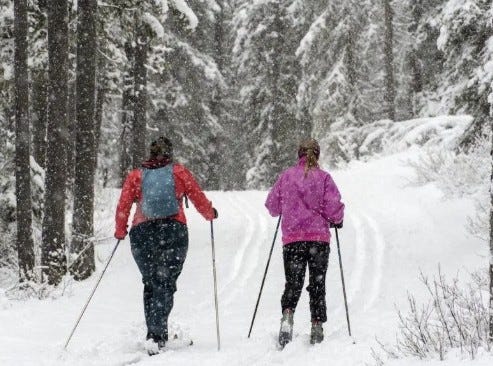
Equipment & Costs
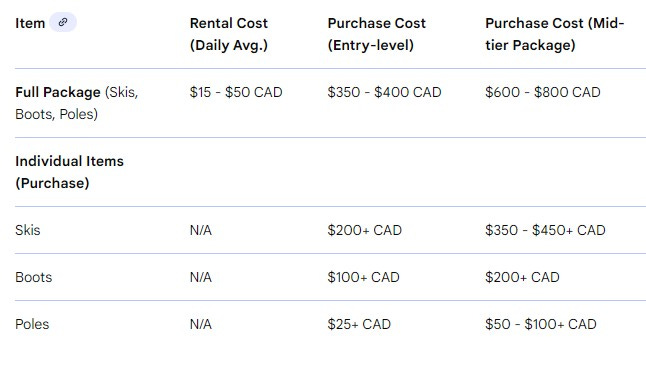
Initial costs can vary widely depending on whether you buy new, high-end gear or rent/buy used, entry-level equipment. Renting is a great option for beginners to try different styles before committing to a purchase.
Skis: Skis are typically chosen based on your weight and skill level to ensure proper flex and grip. Beginners often use waxless (fish-scale or skin-based) skis for convenience.
Boots & Bindings: Boots should be comfortable and provide adequate ankle support, with bindings compatible with the boots.
Poles: Poles provide propulsion and support and should be sized correctly.
Clothing: The key is to wear moisture-wicking layers, as cross-country skiing is an endurance sport that causes you to heat up and cool down.
Trail Fees & Availability
Cross-country ski trails are widely available in many regions that receive sufficient snowfall, including dedicated Nordic centers, public parks, and golf courses.
Groomed Trails (Paid Access): Many managed areas offer professionally groomed and maintained trails that require a trail pass.
Day Passes: Typically range from $10 to $40 CAD for adults, with discounts for youth, children (often free), and seniors.
Season Passes: Can be purchased for frequent use, costing anywhere from $70 CAD to several hundred dollars, depending on the facility.
Ungroomed Trails (Often Free Access): Many city parks, conservation areas, and remote natural spaces offer free access to ungroomed trails. Local ski clubs often maintain these trails through volunteer efforts or donations.
Subscribe today and turn hard choices into a competitive advantage!
Free/Paid Subscriptions.
Publishers News
Email: news@publishersnews.net
Web: publishersnews.net
Tel: 1-800-971-5030